Skip to content
ElectrifyHaiti

Roadmap

Prove it. Build it.
Grow it.

Three phases. Each one earns the next with results.

01

Now · Development

Validate the foundation

Turn the concept into a priced, reviewed plan.

  • Confirm the land and check it for flooding, groundwater, access and airport limits.
  • Measure the waste: how much, what kind, and how it changes through the year.
  • Survey electricity demand among homes and businesses.
  • Form the project organisation and bring in engineering, waste and community partners.
  • Collect delivered quotations for trucks, liners, solar, batteries and engines.

Milestone A reviewed feasibility study and a priced first phase.

02

Next · First operations

Build a working first phase

Start small enough to run well.

  • Launch paid community collection with electric trucks.
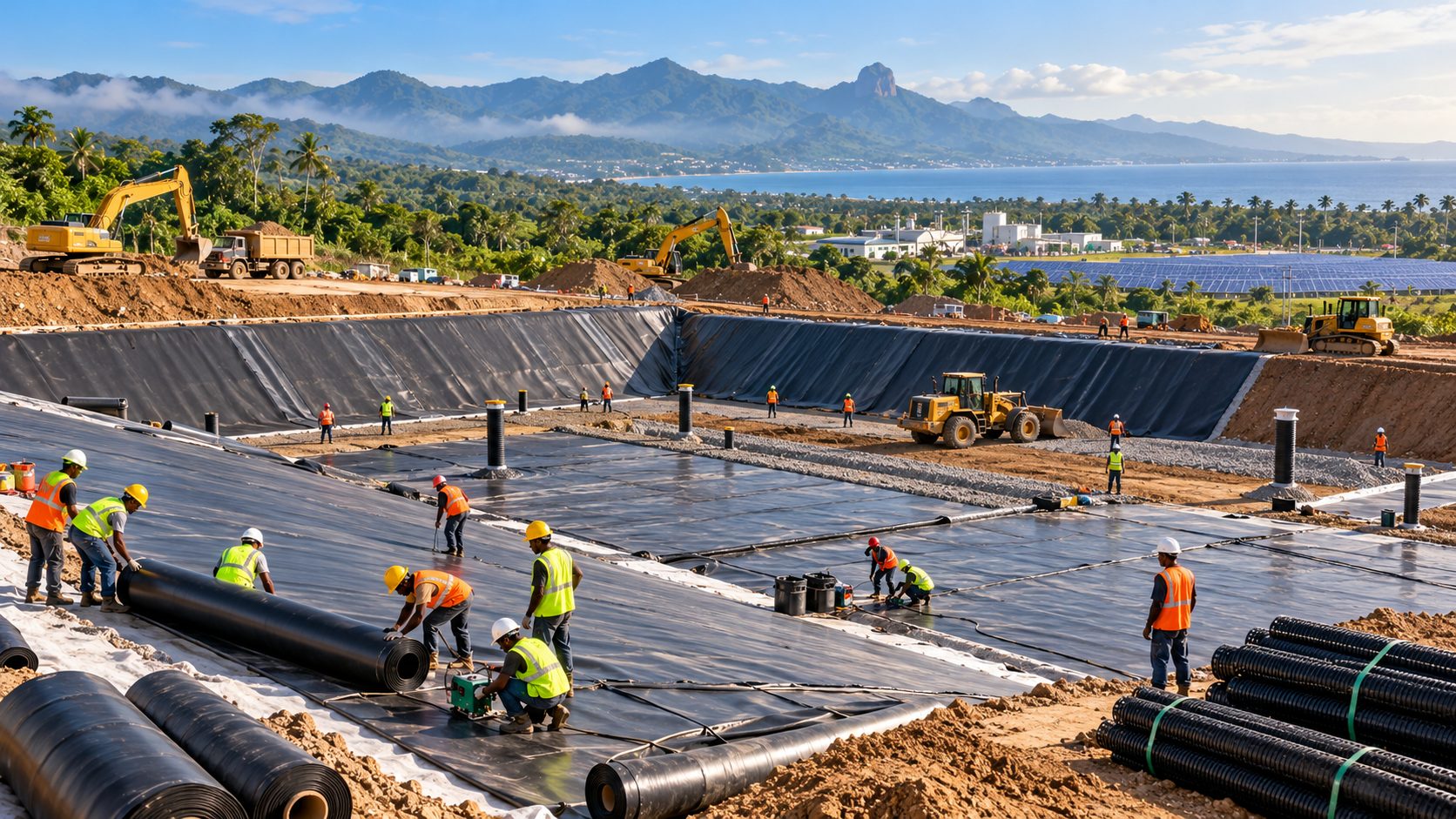
  • Build the first lined cells, drainage system and sorting hall.
  • Install solar with battery storage and connect the first customers.
  • Install gas wells as cells fill, so gas can be measured from the start.

Milestone Real operating costs, service quality and income.

03

Then · Expansion

Add gas power and grow

Expand on evidence.

  • Install landfill-gas engine-generators once the gas supply supports them.
  • Extend collection routes and the electricity network.
  • Set the free household allowance from real income and generation data.

Milestone A campus that runs on its own income.

Funding

Phase one:
$8–10 million.

Preliminary estimate, to be confirmed by supplier quotations and site studies.

A lean plan, designed to keep costs down without cutting corners on safety.

  • Bulk equipment — solar panels and batteries bought direct from manufacturers.
  • Used heavy machinery — inspected second-hand excavators, loaders and bulldozers.
  • Gravel roads — no asphalt where it is not needed.
  • Local labour — Haitian crews build and run the campus.
  • Phased spending — gas engines are bought only when the gas is there.

The first funds go to project development: site studies, waste measurement, engineering and quotations. Construction funding follows once the plan is priced and reviewed.

Keeping it running

Built to
last.

The goal is no further outside funding after the first investment. That means the campus’s own income must cover its full lifetime costs.

Staff, training and collection paymentsEvery year
Maintenance and spare partsEvery year
Battery replacementPeriodic
New lined cellsAs capacity fills
Engine overhaulsPeriodic
Closure and long-term site careDecades

Help us complete phase one.

Ways to partner